
Smartphone cameras have seen significant changes in recent years, from basic tools for recording moments to sophisticated image devices that compete with professional photographers. Advances in technology and software have enabled manufacturers to improve all aspects of smartphone photography, from low-light performance to zoom capabilities. As more people rely on their smartphones for photography, marketers continue to push the envelope of what is possible. This never-ending innovation is driven by customer demand for higher-quality photographs and movies, as well as the rapid speed of technological developments in camera technology.
How Has Hardware Evolution Improved Camera Quality?
Larger Sensors Capture More Light and Detail
Larger sensors in smartphone cameras improve light capture, which is critical for image quality. A bigger sensor allows more light to reach the image sensor, producing clearer, more detailed photos. This is especially crucial in low-light conditions, when smaller sensors struggle to capture crisp images. Smartphones with larger sensors can give better color accuracy, less noise, and deeper depth, allowing for high-quality images even in low-light circumstances. Larger sensors also contribute to a broader dynamic range, which improves both highlights and shadows in each image.
Multi-Lens Systems Enable True Optical Zoom and Versatility
Multi-lens systems have transformed smartphone photography by providing actual optical zoom capabilities that were previously reserved for specialist cameras. These systems often incorporate many lenses with varying focal lengths, allowing users to zoom in while maintaining image quality. Multi-lens setups provide you with more creative freedom and versatility, whether you're using a telephoto lens for close-ups or a wide-angle lens for sweeping vistas. This innovation also enables more flexible photography, allowing you to switch between different sorts of images with a single swipe while keeping superb image quality at all zoom settings.
Advanced Stabilization Reduces Blur in Every Shot
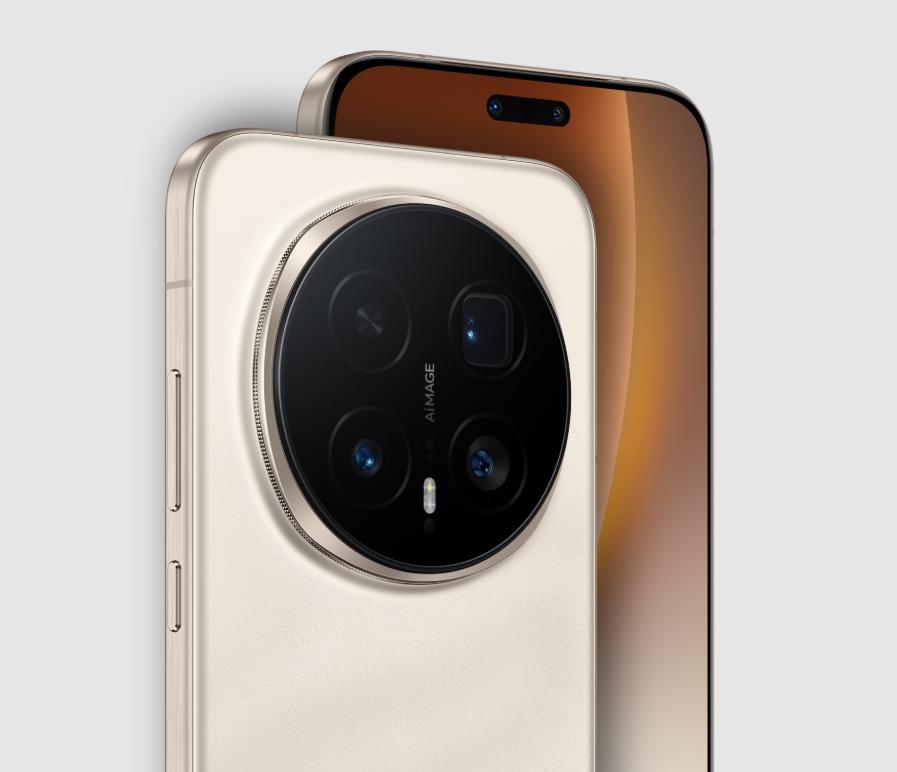
Advanced stabilization technologies, including optical image stabilization (OIS) and electronic image stabilization (EIS), have greatly decreased motion blur in smartphone images and videos. OIS works by changing the lens to offset hand movements, whereas EIS uses software algorithms to steady the image. These technologies work together to keep photographs crisp and clear, even when shooting in low light or capturing fast-moving subjects. The result is higher quality in daily pictures, action shots, and video recording, giving users the confidence to create professional-looking material without the need for a tripod or other equipment. The HONOR Magic8 Pro integrates these advanced stabilization features, ensuring exceptional clarity in every shot.

What Role Does AI and Computational Photography Play?
Real-Time Scene Recognition Optimizes Settings Automatically
AI-powered real-time scene recognition enables smartphones to automatically modify camera settings based on their surroundings. AI can analyze a scene and recognize aspects such as lighting, composition, and subject, adjusting exposure, white balance, and focus. This function reduces the need for manual adjustments, allowing users to shoot high-quality photographs with less effort. AI also allows for automated adjustments, such as lighting faces in portraits and increasing colors in landscape images. As a consequence, users may achieve precisely balanced photographs without requiring extensive understanding of photography principles or complex editing tools.
Night Mode and HDR Merge Multiple Exposures Seamlessly
Night mode and high dynamic range (HDR) are two AI-powered features that significantly improve smartphone photography. Night mode works by combining multiple exposures over a short period of time to improve details and reduce noise in low-light conditions. Similarly, HDR combines many images with varied exposures to produce a well-balanced image, capturing both bright and dark areas clearly. These AI-powered technologies make it easier to capture great photographs at night or in high-contrast conditions. The result is sharp, vivid photographs that would have been difficult to capture with ordinary camera technology.
Portrait Mode Uses Depth Mapping for DSLR-Like Effects
Portrait mode, which is powered by AI-driven depth mapping, replicates the background blur (bokeh) effect commonly found in DSLR cameras. By calculating the subject's distance from the backdrop, AI may generate a seamless blur effect that separates and highlights the subject in the picture. This function is useful for portrait photographs since it gives daily photos a professional appearance by providing a depth of field equivalent to that of a high-end camera. With computational photography, consumers can create stunning, studio-quality photos with only their smartphone.
Why Do Brands Keep Investing Heavily in Camera Tech?
Consumers Rank Camera Quality as a Top Buying Factor
When buying smartphones in the current market, buyers place a high value on camera quality, making it one of the most crucial considerations. A smartphone that can take good pictures and videos is crucial, given the popularity of social media, fast sharing, and creating original content. In order to satisfy customer expectations, brands continue to make significant investments in camera technology. In a congested market where customers are always searching for the greatest camera experience, high-performance cameras provide companies a distinct competitive edge.
Social Media Drives Demand for Instant, High-Quality Content
The need for excellent, quickly shareable entertainment has grown as a result of social media sites like Instagram and TikTok. Consumers increasingly anticipate that their cellphones will be able to capture and share high-quality images and movies instantly. Smartphone manufacturers are aware that having a good camera is essential to staying competitive in the market, not merely a selling factor. The need for cameras that can create material suitable for social media is increasing as more people record their everyday lives and share them online, which encourages manufacturers to give camera advancements top priority.
Camera Innovations Create Clear Marketing Differentiation
Camera advancements are an important source of difference in today's smartphone industry. With so many businesses fighting for attention, having cutting-edge camera features may help them stand out. Whether it's a game-changing sensor, an advanced multi-lens setup, or AI-powered upgrades, these technologies are clear selling factors for marketing efforts. Smartphone manufacturers frequently use these camera advances in their advertisements, demonstrating their handsets' capacity to shoot amazing photographs in any setting. As a result, people gravitate toward the brand that provides the best camera performance, making camera developments critical to a company's overall success.
Conclusion
Smartphone cameras are constantly improving due to developments in hardware, AI, and computational photography, fulfilling customers' ever-increasing needs for improved photo and video quality. Larger sensors, multi-lens systems, and stabilization technologies are driving these advances, while AI improves the user experience by automating settings and picture processing. Brands spend extensively on camera technology to stay competitive, recognizing that camera performance is one of the most important aspects affecting customer purchase choices. As technology advances, smartphone cameras will continue to push the limits of what is possible, resulting in better photographs for everyone.



Leave a Reply