
Smartphones have grown to include strong functionality, but for some users, ease of use is still a concern. Lightweight and tiny phones stand out because they offer convenience without sacrificing functionality. Their tiny size and efficient design make them perfect for one-handed use, letting users access applications, send texts, and make calls with ease. These gadgets are designed to provide a comfortable user experience for users who choose mobility over bigger screens. These phones, with their lightweight materials and user-friendly features, are ideal for those seeking performance and convenience in a small size.

What Design Features Make a Phone Easy to Use With One Hand?
Compact Screen Size and Slim Bezels Improve Reach
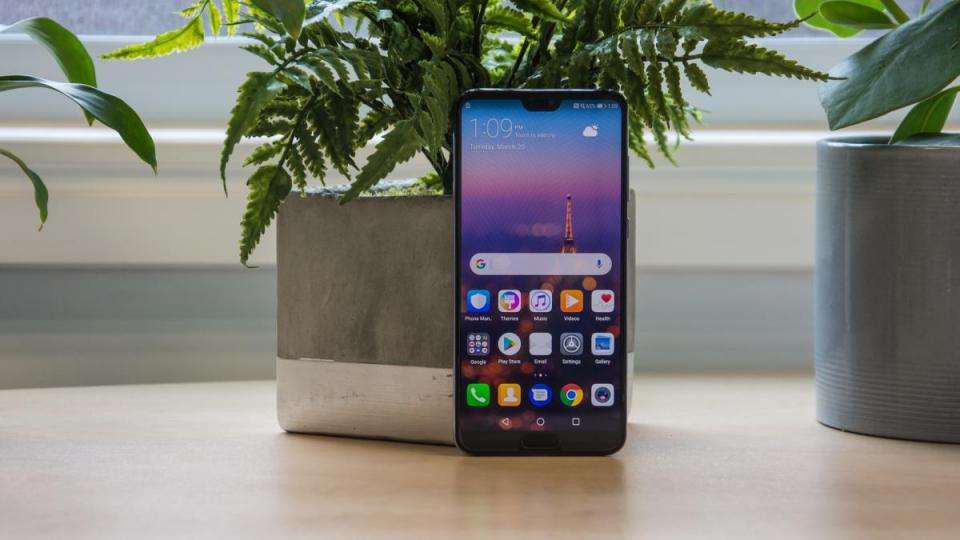
A smaller screen size is an important aspect in making phones easier to use with one hand. Phones with displays ranging from 5.5 to 6 inches strike a balance between usability and usefulness. Slim bezels improve the design by lowering the overall size of the device while maintaining screen area. This allows users to reach all corners of the screen, making it simpler to engage with apps, navigate between tabs, and surf social media while keeping a secure grasp. A phone with small bezels improves the screen-to-body ratio, making it easier to operate with one hand.
Low Weight Reduces Fatigue During Extended Use
Weight is an important factor in the comfort of a smartphone, especially for extended use. Lighter phones are less likely to put strain on your hand or wrist when held for an extended period of time. Manufacturers employ lightweight materials such as aluminum, polycarbonate, and even magnesium to guarantee that the phone does not feel heavy. A lighter gadget causes less weariness, making it suitable for folks who use their phones all day. The lower weight allows you to carry the device in your hand or pocket without feeling burdened, resulting in a more pleasant and convenient user experience.
Thoughtful Button Placement and Rounded Corners Enhance Grip
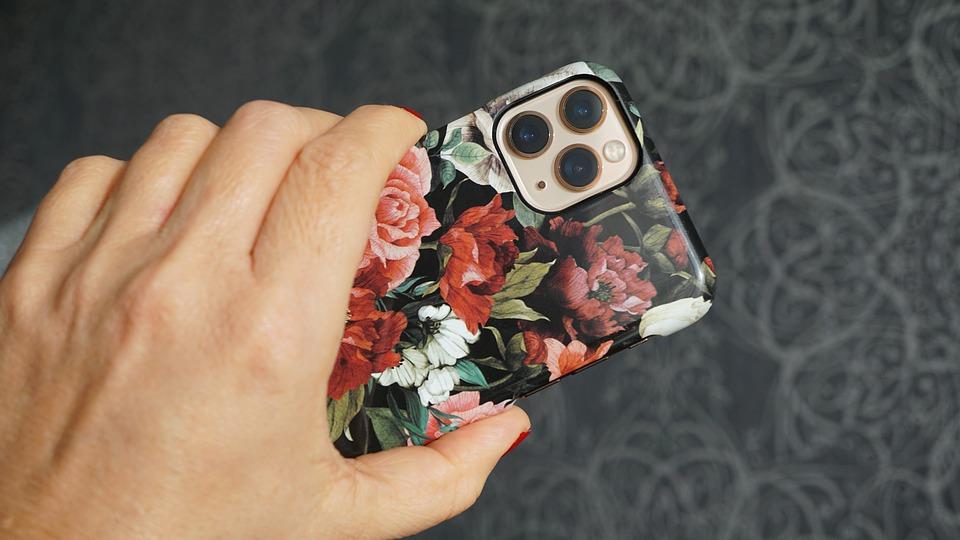
Button location and design are important considerations for one-handed use. Phones with buttons that are easily accessible to the thumb allow users to accomplish tasks such as volume changes and power switching without straining. Additionally, rounder edges increase overall grip, lowering the likelihood of the gadget sliding from your hand. These ergonomic design decisions make it simpler to grip and manage the phone with one hand, which improves the entire experience. Manufacturers ensure that the phone feels comfortable and sturdy in the palm by taking into account natural hand movements, resulting in increased comfort throughout regular usage.
How Do Manufacturers Balance Performance in Smaller Devices?
Efficient Chipsets Deliver Power Without Overheating
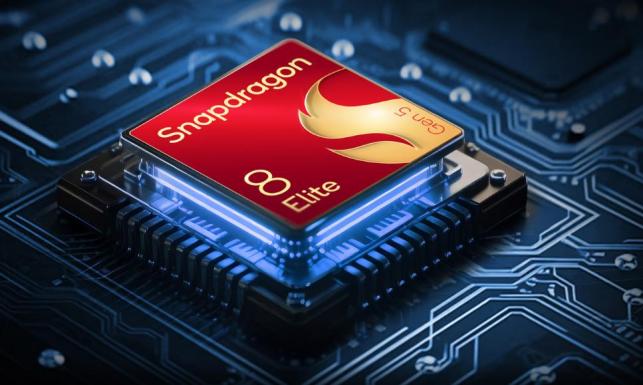
Manufacturers employ effective chipsets that deliver great processing power while reducing heat generation to guarantee that smaller devices maintain a powerful performance. Modern processors with energy-saving architectures guarantee that the phone operates smoothly without overheating or excessive battery drain. Because these chipsets strike a mix between speed and efficiency, users can play games, multitask, and stream media without experiencing any performance issues. Devices such as the HONOR Magic8 Pro demonstrate how optimized hardware can maintain high responsiveness in a compact and easy-to-handle form factor. These phones are suited for daily use without the worries of slow performance or pain from overheating since they optimize power management to supply the required processing power while keeping a comfortable temperature.
Smart Battery Management Extends Life in Limited Space
A smaller gadget does not imply a reduced battery capacity, due to clever battery management technology. Manufacturers utilize power-efficient CPUs, smart charging algorithms, and improved battery design to increase battery life without expanding phone size. These phones are intended to enhance battery life while conserving energy for less demanding applications. Despite the tiny size, users may enjoy extended battery life thanks to features such as adaptive battery settings and power-saving modes. Efficient power management guarantees that, even with a compact form, the phone can go through a busy day without needing to be recharged frequently, providing convenience and reliability for on-the-go customers.
OS-Level Tools Help Users Access the Top of the Screen Easily
Operating system improvements are crucial for providing a fluid one-handed experience. Many smartphones have capabilities that allow users to quickly access the top of the screen, such as gesture-based navigation or one-handed modes. These technologies shrink the display and move content below to make it more accessible. In addition, some phones allow for one-handed use with modifications such as floating windows and program shortcuts. With these OS-level capabilities, users may interact with the phone's UI more naturally, making it easier to access critical functions like alerts, settings, and apps with only one hand.
Who Benefits Most From Lightweight, Compact Smartphones?
Commuters and On-the-Go Users Value Pocket-Friendly Designs
Pocketability is essential for commuters and others who are always on the go. Smartphones are lightweight and tiny, making them easy to slip into pockets, backpacks, or even small pouches, reducing the size of your everyday carry. These phones provide convenience without sacrificing performance, making them an excellent alternative for busy people who want a device that is both portable and useful. Whether you're catching a bus, waiting on the train, or traversing busy settings, a lightweight phone allows you to use it quickly and effortlessly without having to manage a huge, bulky gadget.
Minimalists Appreciate Simplicity Without Unneeded Bulk
Minimalists favor phones that value simplicity and functionality above needless complication and bulk. Compact smartphones adhere to this principle by providing needed features and performance while keeping a clean, minimalist appearance. These gadgets deliver an effective user experience without overwhelming the user with a large screen size, weight, or extraneous features. Lightweight phones provide a balanced approach to mobile technology for individuals who choose functionality over frills. The smaller, more streamlined form appeals to customers who desire a device that serves their fundamental needs without being burdened by extra functions or needless bulk.
Conclusion
Smartphones that are lightweight and tiny are ideal for people who value portability, comfort, and simplicity of use. These smartphones are designed with tiny screen sizes, narrow bezels, and clever button placements to make one-handed operation more practical. Manufacturers are balancing performance and power economy to ensure that smaller gadgets maintain functionality. For example, the HONOR Magic8 Pro is built with a small profile and efficient chipsets to retain great performance while staying user-friendly. Whether you have tiny hands, are always on the go, or simply prefer a minimalist approach, these smartphones provide the best balance of performance and style. Lightweight phones, like the HONOR Magic8 Pro, are changing the way we think about convenience, proving that good things come in small, easy-to-use packages.
Leave a Reply