
Choosing the best smartphone camera might be difficult, given the variety of options available nowadays. A decent camera is essential for shooting high-quality photographs and videos, which improves the entire user experience. Whether you're a professional photographer or just enjoy snapping photos on the fly, knowing what to look for in a smartphone camera is essential. Several aspects determine how well a smartphone performs in various shooting settings, including camera resolution, sophisticated capabilities such as optical zoom, and low-light capability. This article will help you make an informed decision when choosing the finest smartphone camera for your needs.
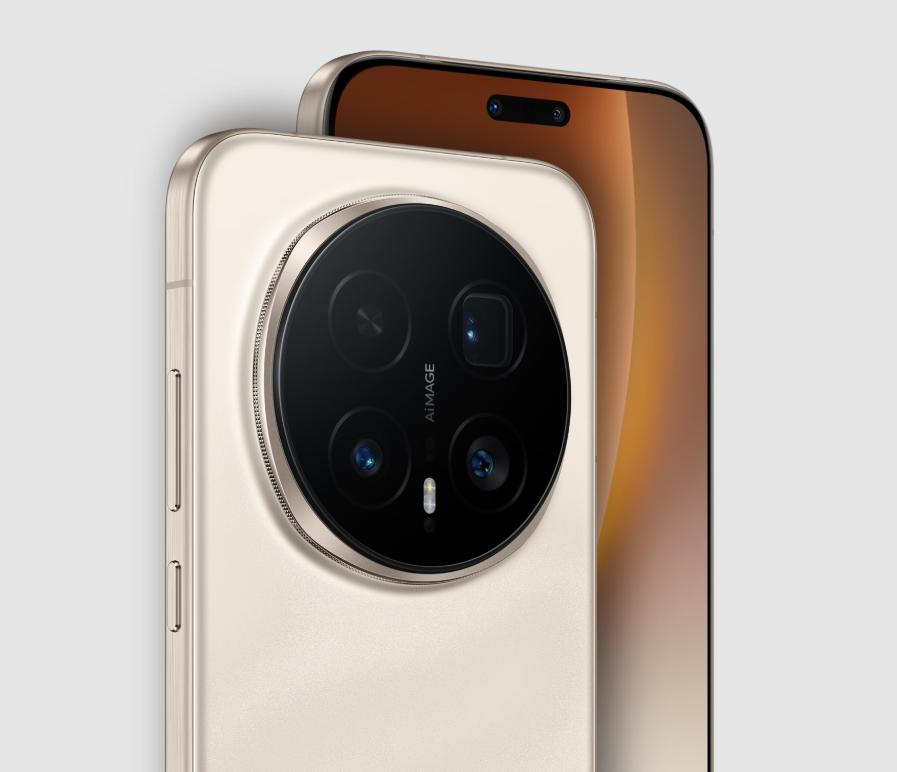
What to Look For in a Smartphone Camera?
Camera Resolution and Megapixels
Camera resolution is frequently highlighted as an important specification, with megapixels (MP) representing the number of pixels in a picture. Higher megapixels generally result in crisper photographs, especially when cropped or zoomed. However, resolution alone does not define image quality. Other parameters, including sensor size and lens quality, play an important part in creating detailed, colorful photographs. A 12-megapixel camera can outperform a higher-resolution camera if it has greater software optimization and a bigger sensor. To achieve the greatest results, megapixels must be balanced against overall camera quality.
Sensor Size and Aperture
Sensor size has a considerable influence on image quality in smartphone cameras. Larger sensors collect more light, leading to improved low-light performance and more detail. Furthermore, the aperture, measured in f-stops (e.g., f/1.8), determines how much light enters the lens. A larger aperture (lower f-number) lets in more light, which improves performance in low-light conditions. The combination of a big sensor and a wide aperture results in crisper, more detailed photographs with less noise in low-light circumstances. When selecting a smartphone, seek models with big sensors and wide apertures that can produce high-quality images in a range of settings.
Image Stabilization Features
Image stabilization (IS) is an essential function for taking clean, clear photographs and movies, especially in low-light situations or while on the go. Stabilization is classified into two types: optical image stabilization (OIS) and electronic image stabilization (EIS). OIS physically adjusts the lens or sensor to eliminate blur caused by hand motions, resulting in better action pictures and video recordings. EIS uses software to correct picture shifts. OIS is more effective for still photographs, although EIS is commonly utilized for videos. Look for smartphones with optical image stabilization (OIS) for the optimum steadiness, particularly while shooting handheld or filming videos.
Key Camera Features to Consider
Night Mode and Low-Light Performance
Night mode is a crucial feature for capturing clear images in low-light environments. It allows the camera to gather more light over an extended exposure time, resulting in brighter, more detailed photos even in dark settings. Many smartphones, like the HONOR Magic8 Pro, now include advanced night modes that reduce noise and enhance clarity. Look for a camera that has a night mode or performs well in low light. Cameras with bigger sensors, wider apertures, and superior image processing algorithms perform better in low-light situations, making them excellent for evening photography or inside photos with limited illumination.

Optical Zoom vs. Digital Zoom
Optical zoom and digital zoom are two methods for magnifying a subject in a picture. Optical zoom magnifies images via a physical lens, keeping detail and quality even at greater zoom settings. In contrast, digital zoom enlarges a section of the image, resulting in a loss of clarity and information as it is chopped and stretched. Smartphones with optical zoom lenses give higher image quality at a distance, which is especially useful for animal photography and architectural photos. When purchasing a smartphone, choose models with optical zoom for better zoom capabilities.
Video Recording Capabilities
Video recording is a crucial feature of current smartphone cameras. Look for a camera that can capture high-definition video, such as 4K or even 8K resolution, for clear and detailed film. Frame rates of 60fps (frames per second) allow better video playback, particularly in fast-moving sequences. Slow-motion video, time-lapse video, and HDR video are all characteristics that can improve overall video quality. Some smartphones also have superior stabilization technology to prevent shaky footage when shooting on the fly. For people who generate content or like vlogging, selecting a phone with good video recording capabilities is critical.
Conclusion
Aside from megapixels, other elements to consider when selecting the best smartphone camera include sensor size, aperture, and image stabilization. Night mode, optical zoom, and video recording capabilities are all important factors in deciding how well a smartphone works under various shooting settings. Understanding these crucial characteristics will help you make an educated decision about which smartphone has the greatest camera for your unique needs. Whether you're shooting ordinary moments or professional-lesvel footage, focusing on the correct camera functions can help you get the most out of your smartphone photography experience.


Leave a Reply